
Maintenance Management Software
Keep equipment running, reduce unexpected breakdowns, and streamline maintenance operations with maintenance management software that helps your team plan, schedule, track, and manage maintenance activities in one place.
From routine inspections to preventive maintenance schedules, gain better visibility into maintenance tasks, equipment performance, and work order progress.
- Schedule and track maintenance activities
- Automate preventive maintenance planning
- Manage maintenance work orders and assignments
- Monitor equipment history and maintenance performance



Our Clients













Streamline Your Maintenance Operations
Managing maintenance through spreadsheets, paper records, and manual reminders can make it difficult to keep equipment in good condition. Missed maintenance tasks, delayed repairs, and incomplete records can lead to equipment downtime, increased costs, and operational disruptions.
Maintenance management software helps centralize maintenance activities, giving your team a structured way to organize work, monitor progress, and maintain accurate records.
Whether you manage production equipment, laboratory instruments, facility assets, or industrial machinery, a centralized maintenance tracking system helps you stay organized and maintain better control over your operations.
Key Features of Our Maintenance Management Software
Preventive Maintenance Management
Plan recurring maintenance activities to help prevent equipment failures and reduce unplanned downtime. Establish maintenance schedules based on time intervals, usage, or operational requirements, where supported by your workflow.
Maintenance Scheduling
Organize daily, weekly, monthly, and recurring maintenance tasks. Assign responsibilities, set due dates, and help your team complete maintenance activities on time with a structured schedule.
Maintenance Tracking System
Track maintenance requests, assigned tasks, work order status, completed activities, and outstanding work. Maintain a centralized record of maintenance activities to improve visibility and accountability.
Work Order Management
Organize maintenance work from request to completion. Document the reported issue, assign technicians, set priorities, record repair activities, and track work order progress.
Equipment and Asset Records
Maintain equipment details, maintenance history, inspection records, and service documentation in one organized system. Give authorized team members access to the information they need for maintenance planning and troubleshooting.
Maintenance Reporting
Review maintenance activities, overdue tasks, work order completion, and recurring equipment issues. Use maintenance data to identify improvement opportunities and make informed operational decisions.
Preventive Maintenance Software to Reduce Equipment Downtime
Reactive maintenance can result in unexpected breakdowns, costly repairs, and production delays. A proactive maintenance strategy helps organizations identify potential issues and service equipment before failures disrupt operations.
Our preventive maintenance software approach helps your team organize planned maintenance activities, establish recurring schedules, and maintain records of completed work.
With preventive maintenance management, you can:
– Establish recurring maintenance plans for critical equipment.
– Schedule routine servicing and inspections.
– Assign maintenance responsibilities and deadlines.
– Track upcoming, overdue, and completed activities.
– Document maintenance findings and repair history.
– Review recurring problems to identify improvement opportunities.
By making planned maintenance part of your daily operations, you can improve equipment reliability, support asset longevity, and reduce avoidable interruptions.

Maintenance Scheduler Software for Better Planning
An effective maintenance schedule helps your team coordinate work, allocate resources, and complete important activities without unnecessary delays.
Maintenance scheduler software provides a structured approach to organizing maintenance tasks and monitoring their progress.
Plan and Coordinate Maintenance Activities:
- Create maintenance schedules: Organize routine servicing, inspections, and repair activities.
- Assign maintenance tasks: Define responsibility for each activity.
- Set priorities and due dates: Help the team focus on urgent and time-sensitive work.
- Monitor task progress: Identify pending, overdue, and completed activities.
- Maintain maintenance records: Keep documentation of completed work for future reference.
With a more organized maintenance schedule, your team can reduce missed activities, coordinate workloads, and improve maintenance planning.
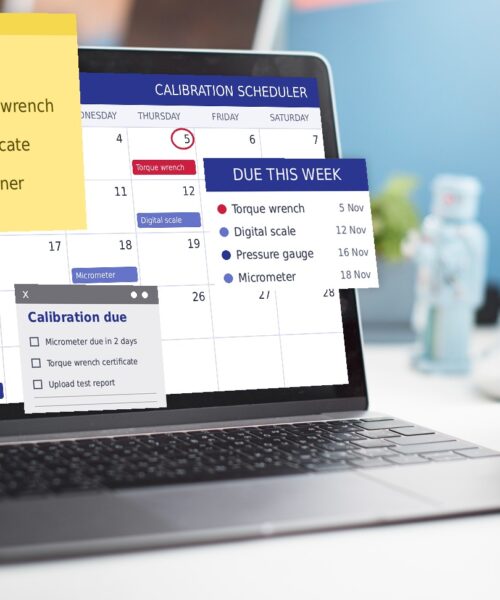
Centralized Maintenance Tracking System
When maintenance information is scattered across spreadsheets, emails, and paper documents, it becomes difficult to understand the current status of equipment and maintenance work. A maintenance tracking system brings maintenance records and activities together, helping your team maintain consistent documentation and visibility.
| Tracking capability | Business benefit |
|---|---|
| Maintenance requests | Keep reported issues organized |
| Work order status | Monitor progress from assignment to completion |
| Equipment history | Review previous maintenance and repair activities |
| Difficult traceability between issues and actions | Connected quality records and actions |
| Scheduled maintenance | Track planned and upcoming tasks |
| Overdue activities | Identify work that requires attention |
| Maintenance reports | Support performance reviews and improvement planning |
A centralized tracking system gives maintenance managers a clearer picture of outstanding work, recurring equipment problems, and overall maintenance performance.
Benefits of Maintenance Management Software
Reduce Unplanned Downtime
Identify maintenance needs and complete scheduled activities to help prevent avoidable equipment failures.
Improve Maintenance Efficiency
Replace fragmented manual processes with organized schedules, assigned responsibilities, and centralized records.
Control Maintenance Costs
Improve visibility into recurring repairs, maintenance activities, and equipment issues to support better resource planning.
Extend Equipment Service Life
Support consistent servicing and timely repairs to help preserve equipment condition and reliability.
Improve Accountability
Assign maintenance responsibilities and document task completion to make work status easier to monitor.
Maintain Accurate Records
Keep equipment maintenance history and service documentation organized for operational reviews and audits.
How Does Maintenance Management Software Work?
Maintenance management software helps standardize the maintenance process, from identifying an equipment issue to documenting the completed work.
Step 1: Identify Maintenance Needs
Record a maintenance request, identify equipment requiring service, or establish a recurring preventive maintenance activity.
Step 2: Schedule and Assign Work
Set the maintenance date, define task priorities, and assign responsibility to the appropriate personnel.
Step 3: Perform Maintenance
Carry out the planned service or repair and record relevant findings, actions, and work details.
Step 4: Record Completion
Update the work status and maintain the service history for future reference.
Step 5: Review Performance
Analyze maintenance records and recurring issues to identify opportunities for continuous improvement.
Frequently Asked Questions
Choosing the right maintenance management software depends on your equipment, maintenance processes, and operational requirements.
Consider the following capabilities when evaluating a solution:
– Preventive maintenance planning: Support for recurring maintenance activities.
– Maintenance scheduling: Flexible scheduling and due-date management.
– Work order tracking: Visibility into assigned, pending, and completed work.
– Equipment records: Centralized asset information and service history.
– Task ownership: Clear assignment of maintenance responsibilities.
– Reporting and analytics: Access to maintenance activity and performance data.
– Ease of use: An interface that maintenance personnel can adopt without unnecessary complexity.
– Scalability: The ability to support changing equipment inventories and maintenance requirements.
Evaluate these capabilities against your actual maintenance workflow to select a solution that meets your operational needs.
Maintenance scheduler software helps teams organize upcoming maintenance activities, assign responsibilities, establish deadlines, and monitor completion. This improves coordination and helps reduce missed maintenance tasks.
Preventive maintenance involves servicing equipment at planned intervals or according to defined maintenance triggers to reduce the likelihood of failure. Reactive maintenance takes place after a fault or breakdown has occurred. Many organizations use both approaches, depending on equipment criticality and operational requirements.
Manufacturers, laboratories, oil and gas operators, facility managers, warehouses, and other organizations that rely on physical assets can benefit from maintenance management software. It is particularly useful when manual tracking makes scheduling, documentation, and maintenance follow-up difficult.
Yes. By helping teams identify upcoming maintenance, track outstanding work, and document recurring equipment issues, maintenance management software can support more proactive maintenance practices and help reduce avoidable downtime.
Take Control of Your Maintenance Operations
Stop relying on fragmented records and manual follow-ups to manage essential maintenance activities. Adopt a more organized approach to maintenance scheduling, preventive maintenance planning, and work order tracking. Improve visibility, strengthen accountability, and help your team keep critical equipment in better working condition.